Lessons From FBI Hostage Negotiators
Quite a lot, it turns out – but hopefully without the life-or-death consequences!
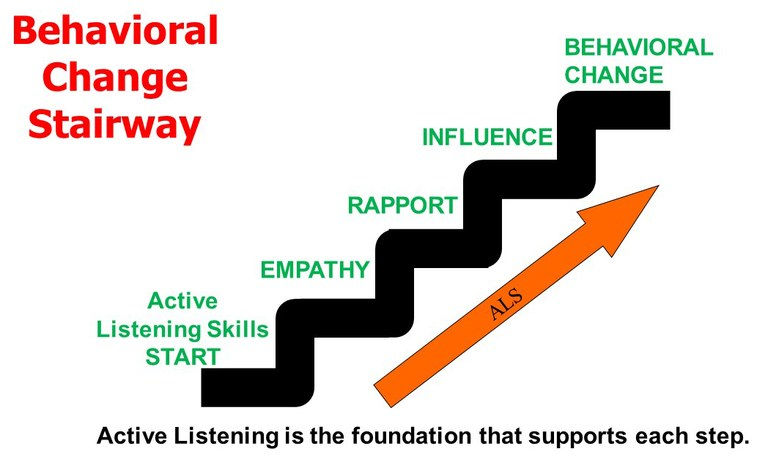
One of the core frameworks used by crisis negotiators at the FBI is the Behavioural Change Stairway Model: a psychological approach designed to move people from confrontation to cooperation.
It’s used in high-stakes situations where emotions are running high, and trust is low – an environment many organisations face during major change.
The model has five steps:
1️⃣ Active listening
2️⃣ Empathy
3️⃣ Rapport
4️⃣ Influence
5️⃣ Behavioural change
Using this model, you can’t just jump straight to persuasion, yet that’s exactly what many change communications do.
“We’re introducing this new structure because it’s more efficient” is a logical message, but ineffective when people are anxious or sceptical.
The FBI model suggests a different sequence:
• Start by listening to concerns
• Show you understand the emotional impact
• Build trust and rapport
• Only then try to influence
That’s what ultimately enables behavioural change.
Hostage negotiators know something communicators sometimes forget.
As former FBI negotiator Chris Voss puts it: “People will not listen to you until they feel you have listened to them.”
Different stakes. Same human psychology.
So, the next time you're planning a change campaign, it might be worth asking: Are we delivering a message… or are we climbing the staircase?



Comments